Name the problem first
Privacy, enclosure, security and appearance are related but different goals. Rank them for your property and describe the areas that need each one. This can reveal where a solid fence is useful and where an open boundary would make more sense.
Match the layout to daily use
Mark paths, doors, storage areas and equipment access. A fence that looks right on a plan can still make a yard inconvenient if the gates are misplaced. Include occasional needs such as larger deliveries or future work in the yard.
Bring the tradeoffs into the estimate
Ask about the particular material’s upkeep, replacement components and finishing needs. Include removal and transitions to existing work in the discussion. A useful estimate explains the chosen system and scope so you can compare alternatives with the same goals in mind.
Put the ideas to work.
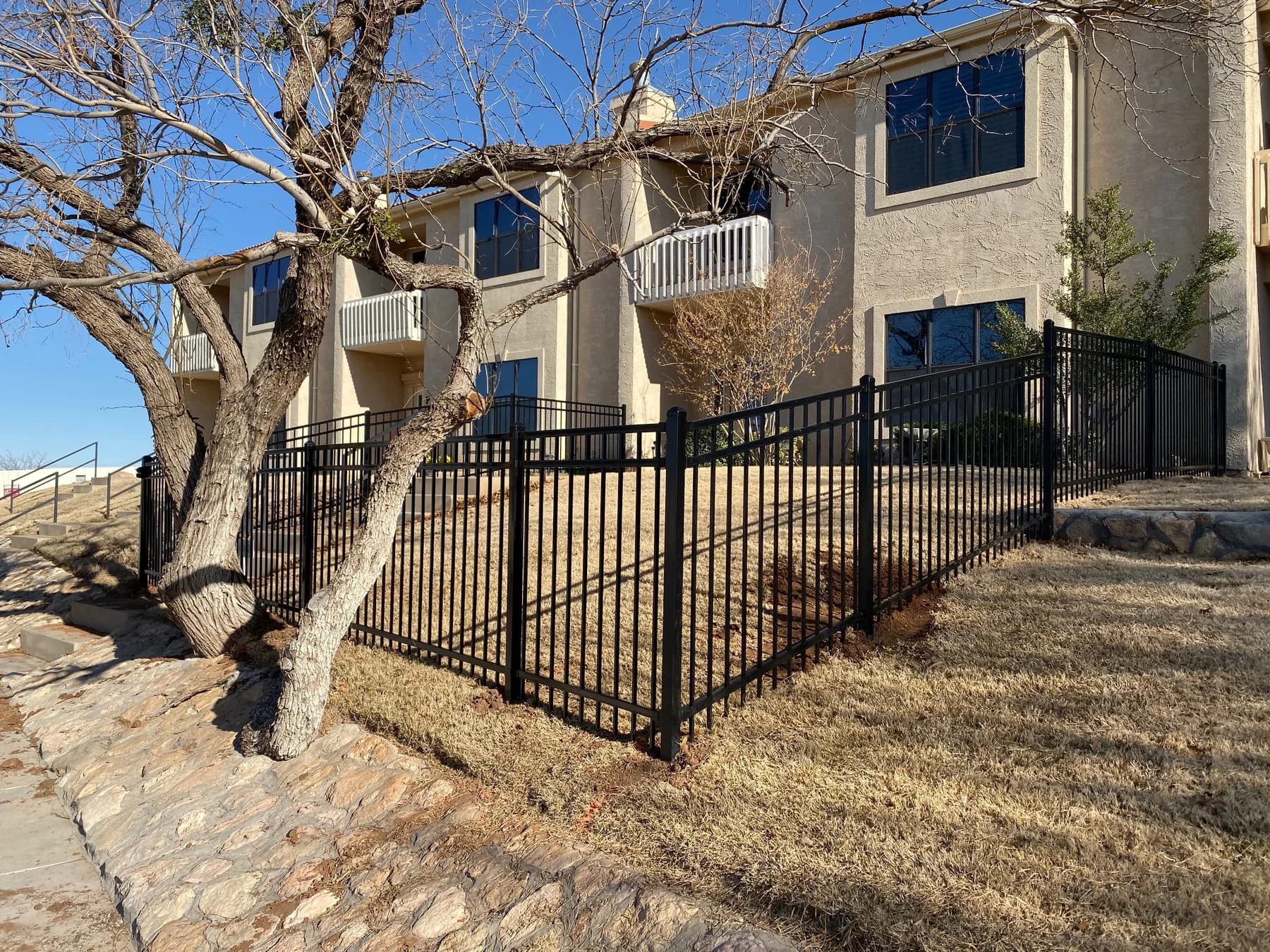
Wood privacy, chain-link and ornamental metal fencing for homes in Abilene and the Big Country.
Explore residential fencing